


In a world dominated by Zoom calls and Teams meetings, it’s easy to forget that not all work happens behind a screen. For employees who work in the field, risk is a daily reality, and one that cannot be taken for granted. Whether you’re visiting an asphalt paving job or touring an operational facility, safety starts with the right Personal Protective Equipment (PPE).
This guide serves as a reminder of what’s required to keep yourself and others safe during site visits.
But first, why PPE matters
Field environments present hazards that virtual meetings never will; heavy machinery, moving vehicles, hot materials and unpredictable conditions. PPE is your first line of defense against these risks. Wearing the correct gear isn’t just a company policy – it’s a commitment to your own safety and the safety of those around you.
Essential PPE for asphalt and facility visits
When preparing for a site visit, make sure you have the following:
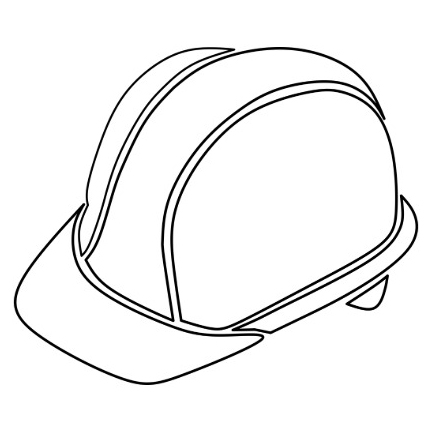
1. Hard hat: Protects against falling objects and head injuries. Ensure it meets ANSI/OSHA standards.
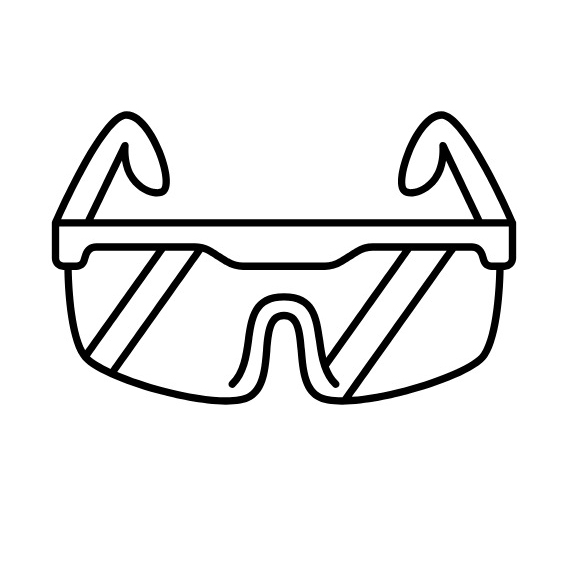
2. Safety glasses or goggles: Critical for shielding your eyes from dust, debris, and chemical splashes.
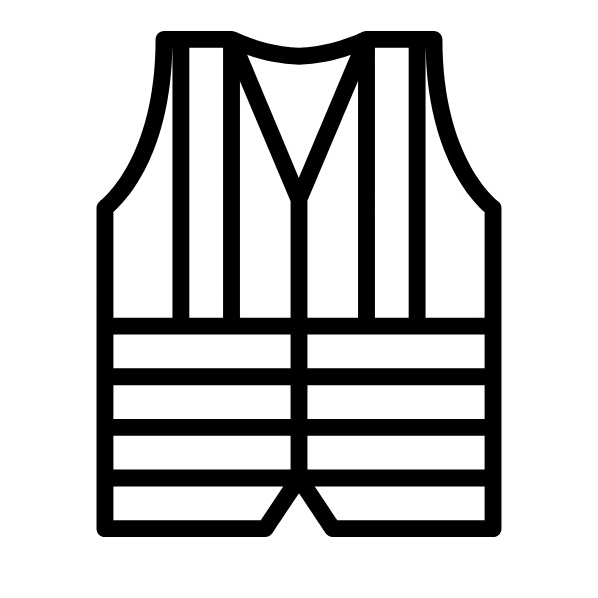
3. High-visibility vest: Makes you visible to operators and drivers in high-traffic areas.
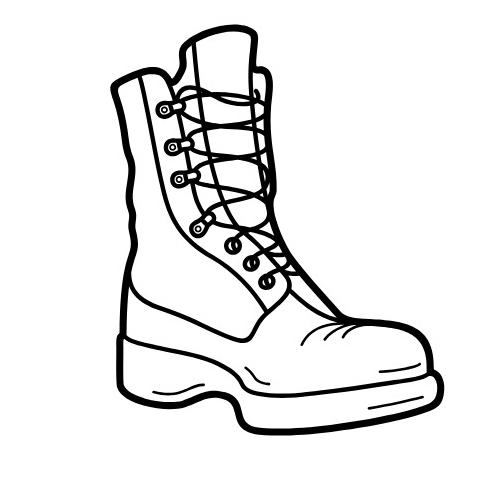
4. Steel-toe boots: Protects your feet from heavy equipment and uneven surfaces.

5. Gloves: Choose gloves suited to the task, heat-resistant for asphalt work, cut-resistant for handling materials.

6. Hearing protection: Earplugs or earmuffs are essential in areas with loud machinery or paving equipment.
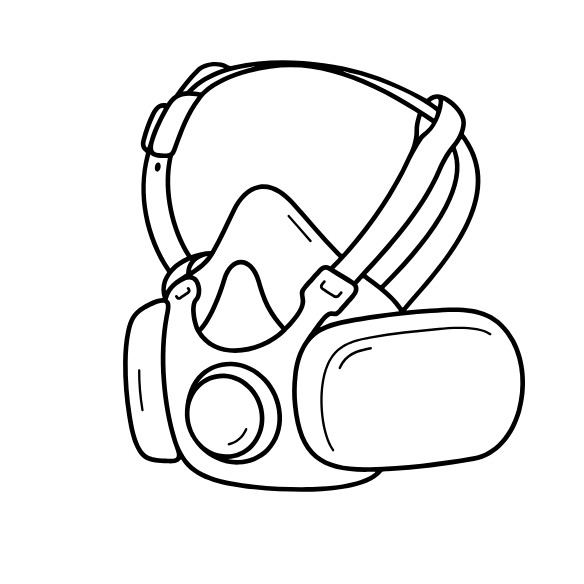
7. Respiratory protection (as needed): If fumes, dust, or vapors are present, use an approved respirator. Certain job sites may also require monitors so it can be good to get clarification before visiting.
Additional Safety Tips
• Check site-specific requirements: Some facilities may require flame-resistant clothing or additional PPE for the conditions (for example traction aids in the winter during icy conditions).
• Inspect PPE before use: Damaged or poorly fitting gear can compromise safety.
• Follow escort instructions: Always adhere to the guidance of site supervisors.
• Stay alert: Keep your head on a swivel and always be alerted to changing hazards and conditions.
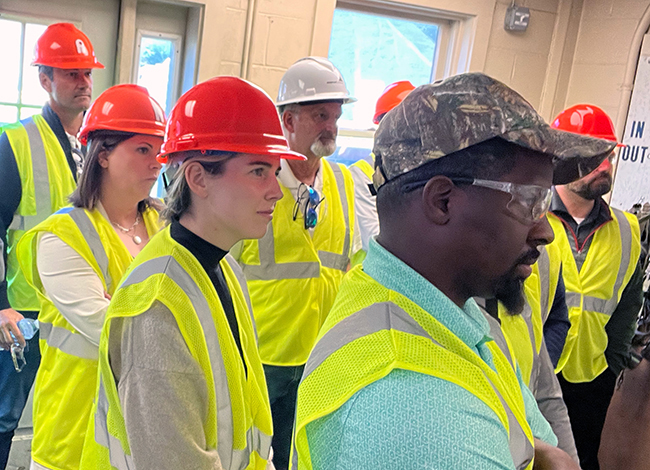
Safety doesn’t just happen by accident it’s the result of preparation and awareness. The next time you step away from your desk and onto a job site, make sure you’re equipped with the right PPE. It’s a simple step that can make all the difference.
Fox is a Trading and Supply Advisor for Cenovus Energy and is participating in the Asphalt Institute EPIC Leadership Development Program.