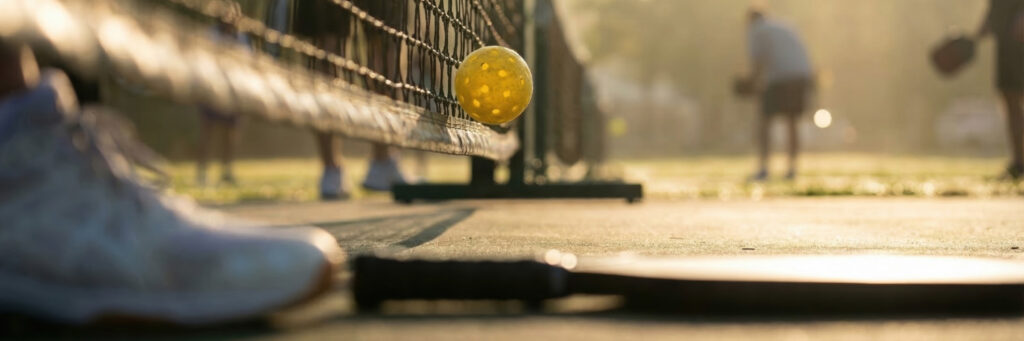



Lower upfront cost, faster schedules and a surface that plays great
Pickleball is booming, and the question is no longer if your community needs courts—it’s how to build them in a way that balances budget, speed and long-term performance. Here’s why asphalt often checks the most boxes.
The quick case for asphalt
You’ll see asphalt courts everywhere—from parks and recreation departments to homeowners’ associations, schools and private developments. That’s not an accident. When you compare common cost guidance, industry standards and the “Pickleball Courts: Construction & Maintenance Manual”, asphalt stands out for three practical reasons: it’s typically more affordable, it can be ready sooner and it supports a smooth, consistent playing surface.
Cost: often lower upfront
Budget is usually the first question. Common national cost guides consistently show asphalt coming in below concrete for the base.
• HomeGuide: $3 to $7 per square foot for an asphalt court base (concrete is typically higher).
• Builds & Buys: $3 to $5 per square foot for asphalt pads, depending on location and site prep.
In many markets, contractors see similar ranges, with asphalt typically costing less per square foot than concrete. The ASBA/USA Pickleball manual also points to asphalt as a widely used court base because it’s practical and cost-efficient.
Speed: shorter path to play
When demand is high, timelines matter. Concrete typically needs weeks to cure before you can move on to coatings and play lines. Asphalt stabilizes sooner. The ASBA/USA Pickleball manual notes that asphalt courts can often be coated sooner because they don’t require the long hydration period concrete does—helping parks departments, homeowners’ associations and developers open courts faster.
Playability: a surface players trust
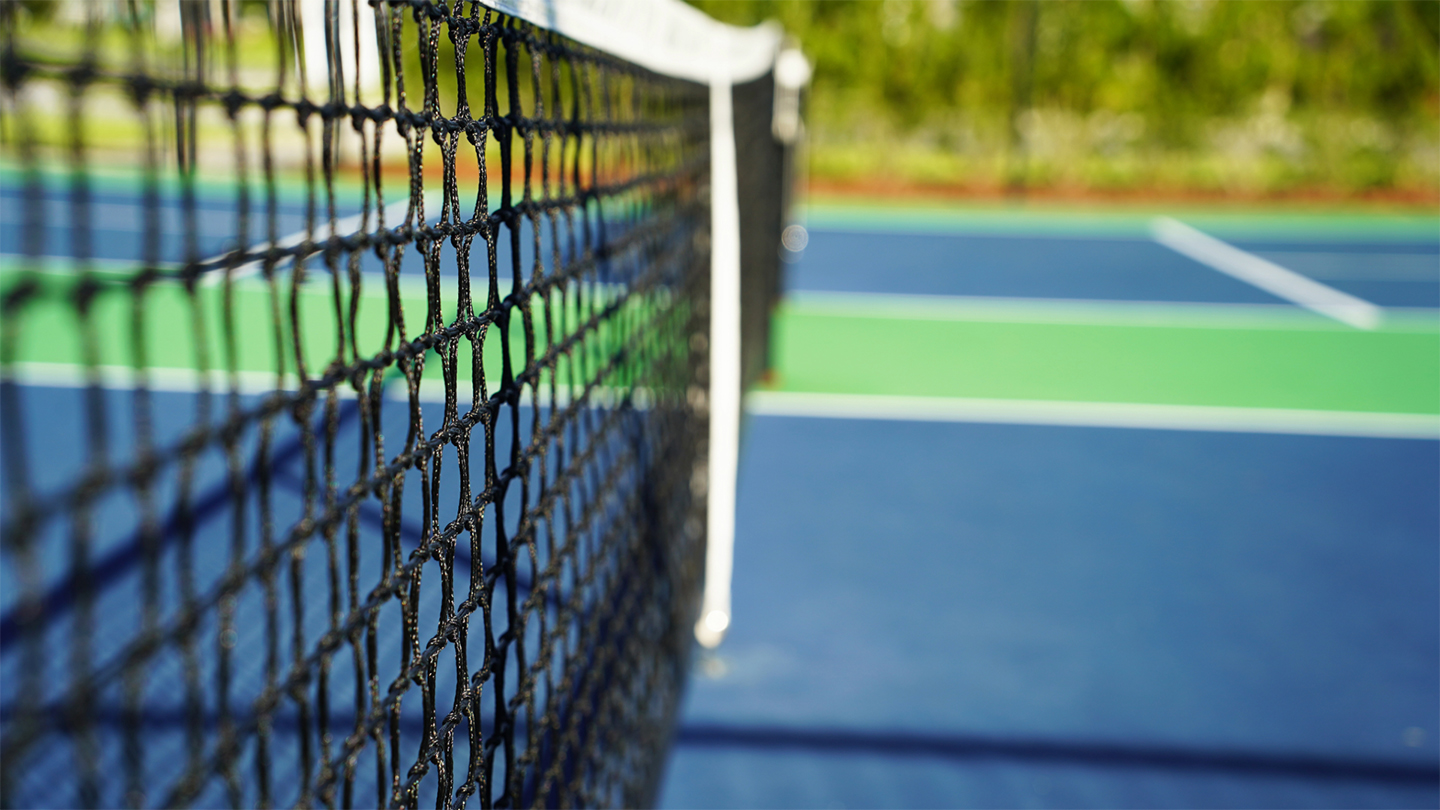
Players notice the details: consistent bounce, traction and smooth movement. Asphalt is a strong foundation for acrylic coating systems used on modern pickleball courts. Once paved and coated, an asphalt court can deliver:
• a smooth, uniform playing surface
• reliable, predictable bounce
• light texture for traction
• strong color visibility
• UV and weather protection
Asphalt also has natural flexibility, which can help reduce major cracking over time. As with any court, good design and workmanship matter most—but asphalt can be a dependable, consistent base when it’s built right.
Don’t skip the basics: base prep and drainage
The ASBA manual is clear: A strong court starts with a strong base. Subgrade preparation is one of the biggest drivers of long-term performance, so confirm the plan for soil compaction, moisture control and drainage. For outdoor courts, the manual recommends about a 1% slope to move water off the surface without affecting play.
Maintenance: plan for resurfacing
Asphalt upkeep can be straightforward, but it still needs a plan. The ASBA manual points to routine cleaning, occasional crack sealing and periodic acrylic resurfacing (often every few years, depending on use and climate). Addressing surface issues early can help keep the court playing well and extend its service life.
Where the industry is headed
Associations like the Asphalt Institute reflect the industry’s focus on better materials, better practices and better sustainability documentation. That includes work on binders and mix design, as well as tools such as environmental product declarations and life-cycle assessments. For court owners, the takeaway is simple: the same innovation improving roads and parking lots is also improving the asphalt surfaces communities rely on every day.
Bottom line
If you’re planning new pickleball courts, asphalt is worth a close look: it can lower upfront costs, shorten the schedule and provide a high-quality playing surface when the base and drainage are done right. Want to get the best outcome? Use the ASBA/USA Pickleball guidance, ask contractors detailed questions about prep and slope, and budget for periodic resurfacing.
Cannon is the Asphalt Marketing & Logistics Supervisor at Vecenergy in West Palm Beach, Florida and recently completed the Asphalt Institute EPIC Leadership program.
References
• American Sports Builders Association and USA Pickleball. 2020. “Pickleball Courts: Construction & Maintenance Manual.”
• Builds & Buys. 2025. Sports court cost guide.
• HomeGuide. n.d. Sport court cost guide.