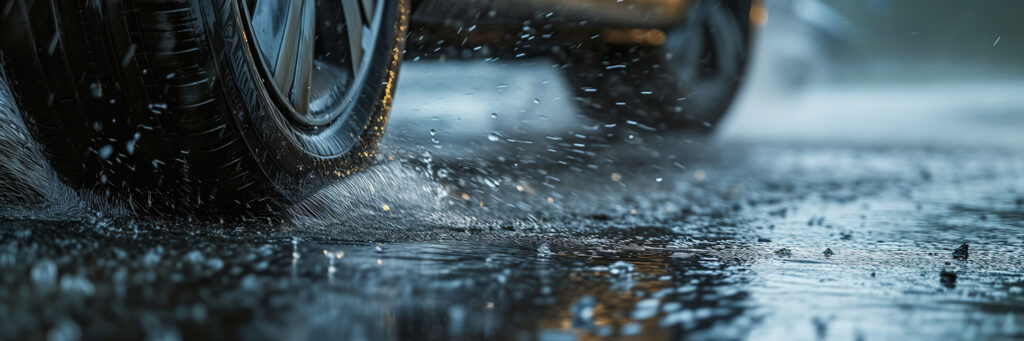



Pavement preservation is a proactive strategy aimed at extending the life of asphalt roads by intervening early – before major distress requires costly reconstruction. Among the various preservation techniques, micro surfacing stands out for its versatility, efficiency and effectiveness in addressing multiple types of pavement deterioration.
This article explores five key pavement distresses that micro surfacing can address, showcasing why it’s an excellent tool for maintaining roadway networks.
1.
Restoring skid resistance
One of the first signs of pavement wear is a loss of skid resistance. Over time, vehicle traffic polishes the rough, angular aggregate on the surface, reducing traction and increasing
the risk of accidents – especially in wet weather.
Micro surfacing restores skid resistance by applying a mix made with 100% crushed angular aggregate and polymer-modified asphalt emulsion, which improves surface friction, ride quality and visual appearance.
According to the ISSA (International Slurry Surfacing Association) Design and Inspection Manual, “research indicates that about 14 percent of all crashes occur in wet weather, and that 70 percent of these crashes are preventable with improved pavement texture/friction.”
To address this issue, a Type 3 aggregate gradation (the coarsest option) provides excellent macro-texture, enhancing surface grip for safer driving conditions.
2.
Sealing surface permeability
Water intrusion is a leading cause of pavement deterioration. As small cracks form, they allow water to seep into the pavement structure. When temperatures drop, water freezes and expands, worsening the cracks. Over time, this can lead to base erosion, vegetation growth in cracks and significant structural damage.
Tim Harrawood of Vance Brothers explains that micro surfacing “provides a moisture barrier which shields the underlying pavement from harmful water intrusion, thereby extending the pavement’s life.”
A Type 1 aggregate gradation, with finer particles, is ideal for penetrating and sealing small surface cracks, enhancing the waterproofing properties of the treatment.
3.
Protecting against oxidation
Oxidation is a natural aging process accelerated by exposure to oxygen, UV rays and weather conditions. Over time, asphalt loses its flexibility, turns from black to gray, and becomes brittle – making it more prone to cracking.
Micro surfacing mitigates oxidation by sealing the surface, thus reducing further exposure to air and sunlight. This protective layer helps maintain the pavement’s integrity, flexibility and appearance, significantly extending its service life.
4.
Stopping raveling
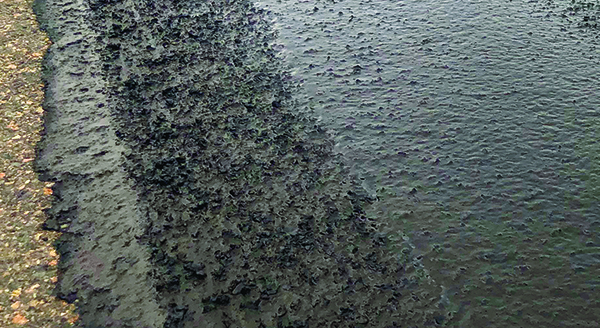
Raveling occurs when the asphalt binder deteriorates and surface aggregates begin to dislodge. This leads to a rough, pitted texture, loose debris on the surface and reduced skid resistance – posing a safety hazard to drivers.
Micro surfacing addresses raveling by locking aggregates in place and sealing the surface. It acts as a new wearing course that protects the underlying structure and extends the pavement’s usability.
5.
Filling ruts and reprofiling
Rutting, or wheel path depression, is a common issue in high-traffic areas. Micro surfacing is particularly effective in addressing this distress. Rich Wenthe of Ingevity notes that “micro surfacing is the premier rut fill product and is prone not to rut, because the aggregate is 100% crushed and uses a polymer-modified emulsion that produces excellent adhesion and stability.”
Micro surfacing can be applied in multiple lifts and used to fill ruts up to 0.5 inches thick. In some cases, such as the Denver C-470 project, it has even been used to reprofile concrete surfaces before placing hot-mix asphalt. By restoring the road’s cross-section, micro surfacing can improve safety, drainage and ride quality.
In conclusion, micro surfacing “is a very durable surface that will hold up to high volumes of traffic, it can be used in conjunction with other products to enhance their performance and will give many years of service life, by itself at a minimal cost,” says Rich Wenthe.
It provides versatility, quick construction times with minimal disruption to the public, reduces life cycle costs and reduces greenhouse gases when compared to the standard mill and fill.
Micro surfacing is a great choice for extending the life of good pavements in an economical way.
Davis is the Technical Director at Vance Brothers, Inc. in Missouri. He participated in the Asphalt Institute EPIC Leadership Program.