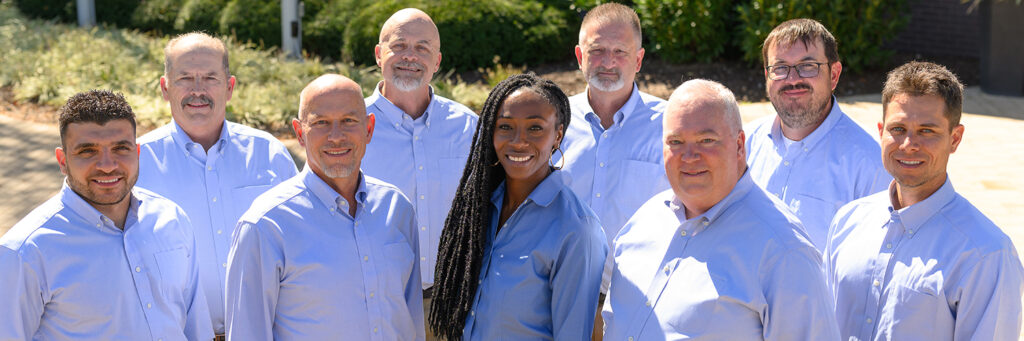



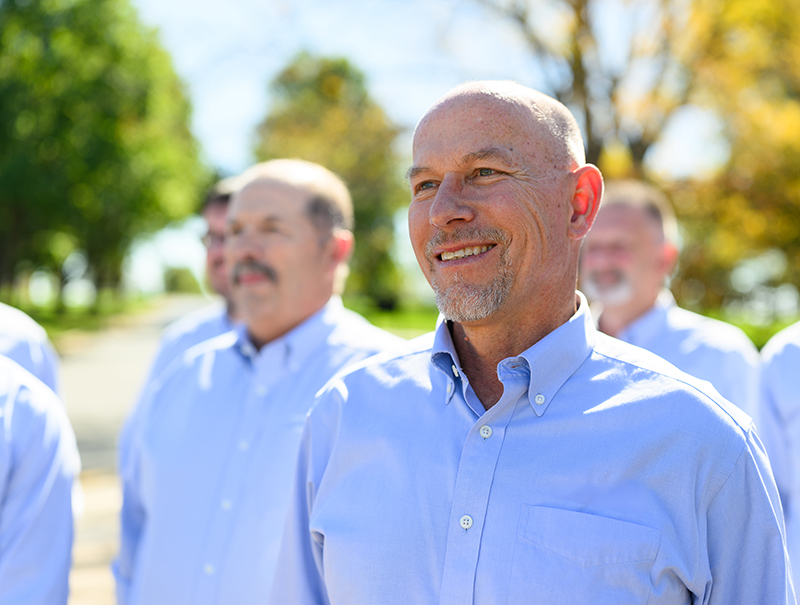
Dr. Mark Buncher is retiring from his post as vice president of engineering after 28 years with the Asphalt Institute. We asked Mark to reflect on his career, his time with the organization and the future of the asphalt industry.
What first drew you to this industry and organization?
I started my career as an Air Force civil engineering officer. Seven years later, I accepted an assignment as chief of the Air Force Pavement Evaluation Team. That job was my baptism into pavement engineering, as I traveled around the world evaluating airfields the Air Force operated on or planned to use. The evaluations involved in-situ physical testing for structural evaluation and distress and condition assessments. The pavements ranged from remote, unsurfaced runways in South America to thick asphalt and concrete airfields to highways in Seoul, South Korea that served as contingency runways.
Those three years convinced me that I wanted to spend the rest of my Air Force career, and eventually my civilian career, working in pavement engineering.
Thanks to the Asphalt Institute taking a chance on me, I was able to live out that dream. After taking early retirement from the Air Force, the Asphalt Institute hired me at its headquarters. Twenty eight years later, I feel truly blessed to have worked for this great association in such an outstanding industry, alongside so many amazing people.
What excites you about the future of our industry, and what concerns you?
I am so impressed with the young professionals entering our industry at all levels and excited that they will be our future leaders. I see this with the engineers and researchers presenting at the Transportation Research Board annual meeting, the Association of Asphalt Paving Technologists annual meeting and other conferences. It’s also apparent in the inquisitive students enrolled in the courses we teach. I continue to be amazed at the quality of our lab technicians and their expertise. The enthusiasm of these young professionals to learn and their dedication to doing things the right way is inspiring.
One concern I have is the growing use of legislative mandates to dictate engineering decisions in our industry. For example, requiring a certain additive or component in asphalt mixtures or prohibiting a particular maintenance or rehabilitation technique. Those decisions should be guided by the engineering professionals within our agencies, based on sound technical information and the specific needs of their pavement systems.
Industry has an important role in providing research and technical information to help agencies make informed decisions, but ultimately, agency personnel should be able to determine the materials and methods that make the most efficient use of limited taxpayer resources. When engineering decisions are driven by mandates rather than sound engineering judgment, it can take important decision-making authority away from the professionals we entrust to manage our transportation infrastructure.
What accomplishment or project are you proudest of from your time with the Asphalt Institute?
Several accomplishments come to mind. First are our longitudinal joint efforts over the years to improve practices and specifications, including the workshops we delivered to 45 state agencies through a Federal Highway Administration cooperative agreement. Joints are typically the weakest link in an otherwise long-lasting asphalt pavement, so rather than ignore the black eye, our industry must embrace it as a tremendous opportunity to improve quality and increase the time between overlays.
I’m also proud of the Information Series publications we developed on two hot-button topics: IS-220 on PPA modification in asphalt, published in 2005; and IS- 235 on the use of REOB/VTAE in asphalt, published in 2016. Both helped clarify issues surrounding these materials and provided agencies with sound technical information to make informed decisions.
Publishing sound technical information and guidance is at the core of what we do. These two efforts stand out because they demonstrated the willingness of our members to come together on contentious issues and ultimately deliver for the common good of the industry.
How has the regional engineer team evolved during your tenure?
Of course, I am biased, but I believe we have built an exceptional engineering team at the Asphalt Institute. We have grown stronger through the diversity of our engineering and asphalt materials backgrounds and our various areas of expertise. While each regional engineer is a recognized subject matter expert, we are even stronger because of our willingness to collaborate and help one another. I believe that is one reason we are viewed as trusted, unbiased technical partners committed to advancing quality asphalt pavements. Agencies come to us with their questions and concerns because they view us as partners in quality.
While the collaboration within our regional engineer team has reached new heights, I think the collaboration between our field staff and other departments has also never been better. Our field and laboratory personnel continually work together on meaningful research, education and engineering efforts. These two groups and their roles complement each other in solving issues for our members and the industry. Perhaps that reflects how well Vice President of Research and Lab Services Mike Anderson and I have worked together for more than 28 years leading the technical arm of the association.
What are you looking forward to in this next chapter?
Having more time to do the things my wife, Cathy, and I enjoy. That starts with seven kids and 10 grandkids spread out from Kentucky to Illinois, Wisconsin and Tennessee. There is always a reason to visit them. It’s fun watching the grandkids grow up and watching their parents experience many of the same headaches we experienced raising their moms and dads.
I’m also looking forward to taking some dream trips, such as traveling west with Cathy through the Rocky Mountains, with no schedule, no deadlines and no time constraints … just exploring wherever the road takes us.
We love exploring places we’ve never been throughout this beautiful country, and we’ve always enjoyed staying active. I envision plenty of hiking and biking on some awesome scenic trails.
After 28 years, I’m grateful for the friendships, professional relationships and opportunities the Asphalt Institute and this industry have provided. It has been an honor to be part of it.